TEACHING PHILOSOPHY
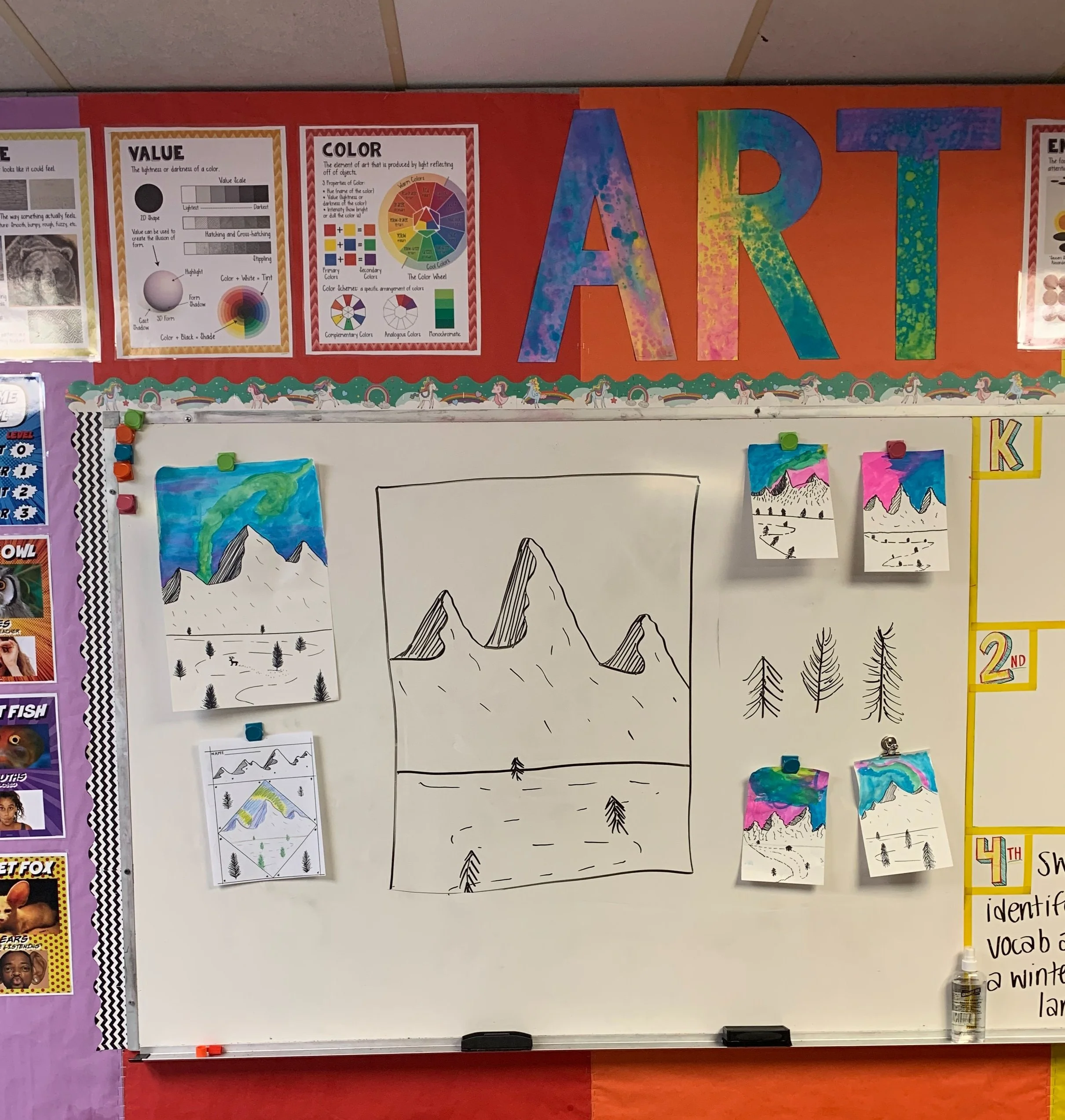
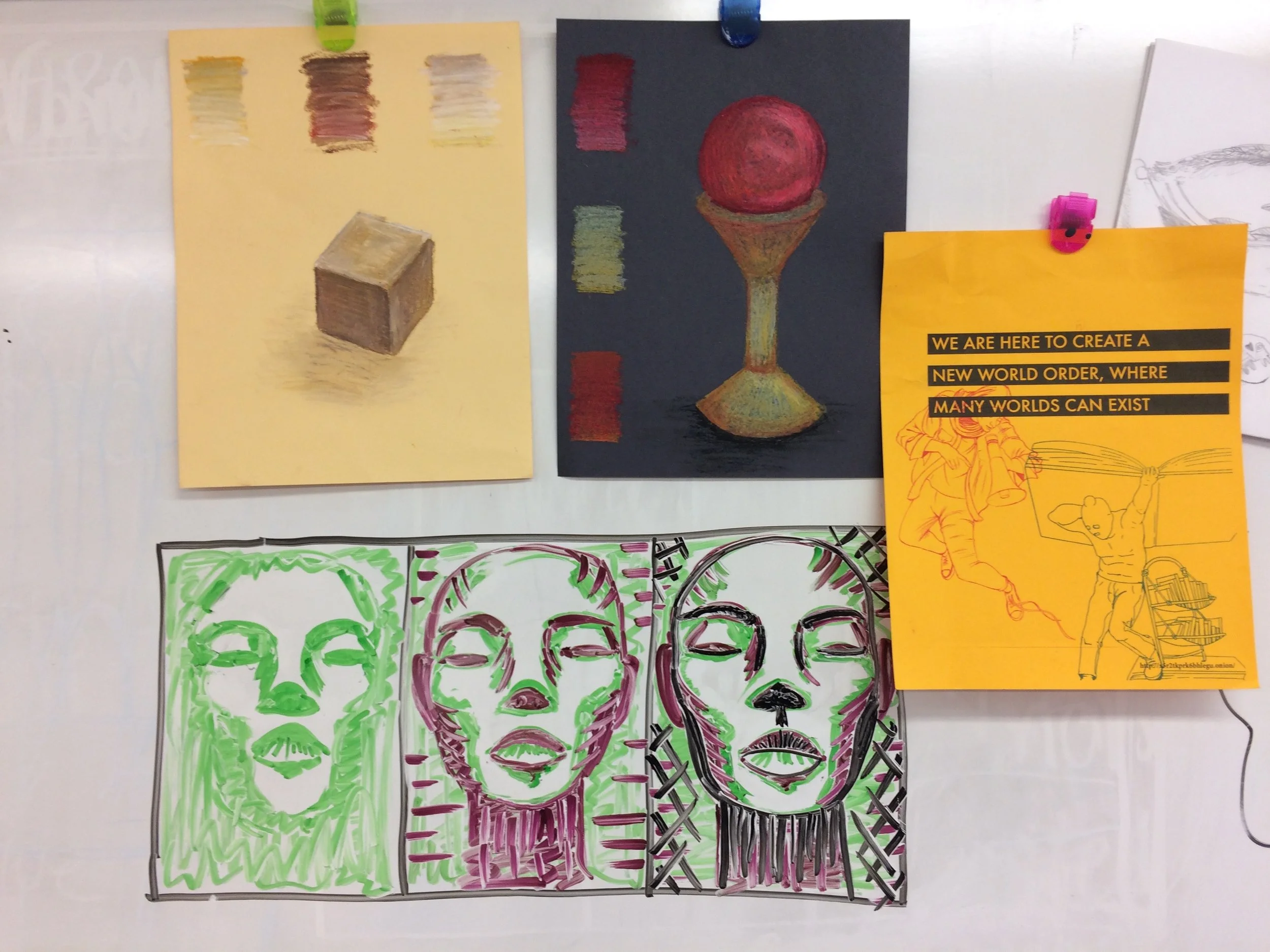
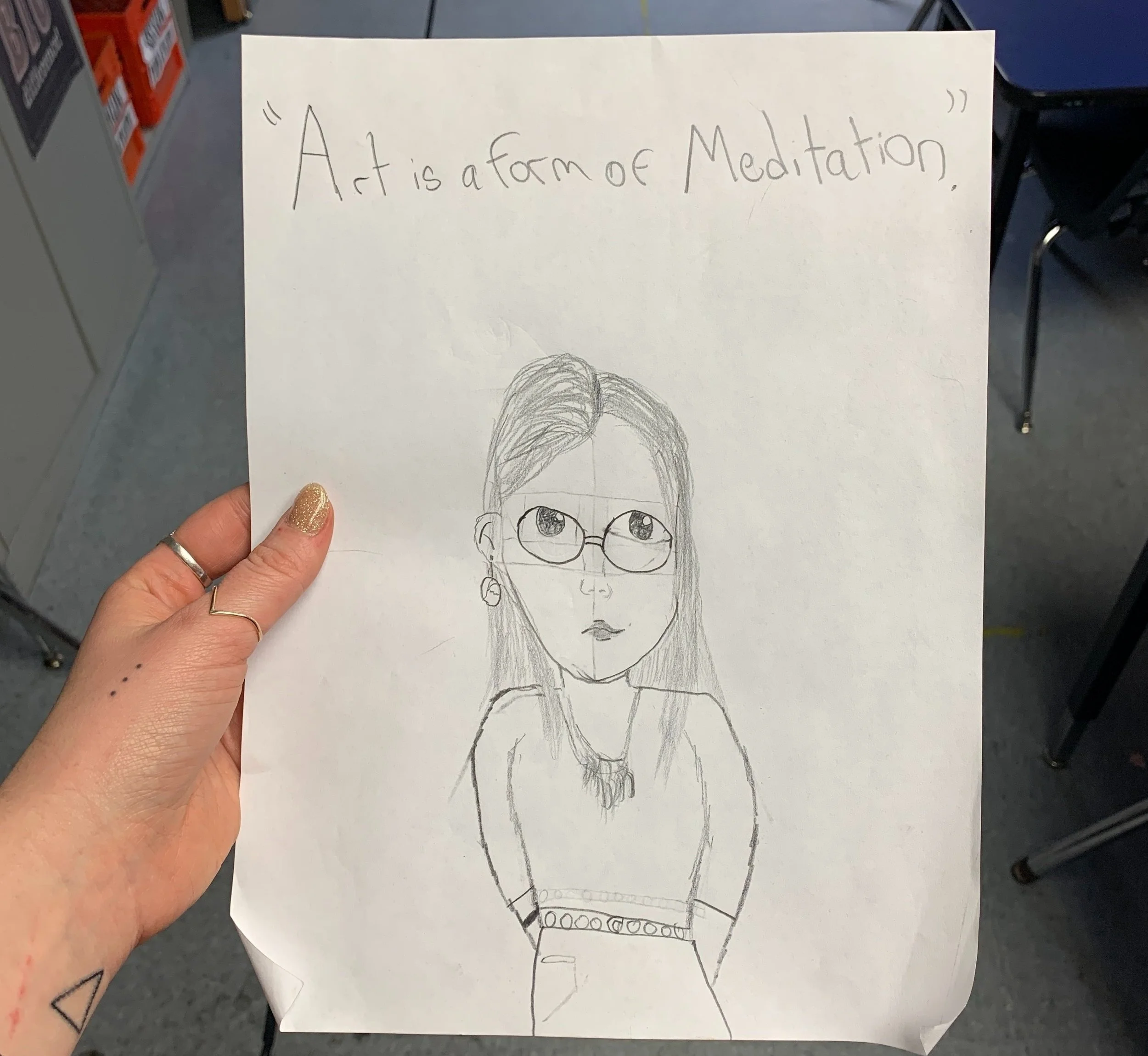
As an artist and as an educator, I believe my Fine Arts courses are not only meant for the study of color theory, drawing technique, and creative problem-solving. It is essential that any exceptional art education must be interdisciplinary. There is no subject that is irrelevant to art. Therefore, teaching art allows me to include lessons on any subject – intercultural competence, history, math, science, technology, and psychology. Art is all-encompassing and connects with all aspects of life. The therapeutic and expressive properties of art are equally as vital as technique or art history. It is my job as an art teacher to integrate all of these areas into a comprehensive learning experience that will be intently applicable to my students’ lives and to their world, which will naturally lead to increased content retention. Creative problem-solving is an essential life skill that will meaningfully serve any area of study or profession my students may pursue in their future.
A key component of my art classroom is a culturally-responsive approach to teaching that engages and fosters my student’s academic, social, cultural, and psychological well-being. I prioritize the representation of the communities and the cultures of the world within my classroom and I maintain a high standard of respect for diversity and for humanitarian values. I value the richness of the cultures, knowledge, and familial backgrounds that my students bring to our class.
My course curriculum operates on a project-based learning model, which allows students to learn through investigation and response to challenges within the pursuit of creating a comprehensive final piece of artwork. Research is my foremost step in preparing unit plans. I introduce my students to a new project by beginning with the content – historical context, science, and cultural significance. Next, we focus on developing artistic skill & technique through critical study, independent research, and building familiarity with the medium and method. Our attention then shifts to planning, conceptualization, and drafting a central piece of artwork. Finally and most importantly, my students invest the time in creating a conclusive work of art. Throughout this process, my students work both collectively and independently. All art is collaborative in some form, and I use my class setting to embrace this element. To finalize the project, students reflect and engage with the class in critique and are given opportunity to publicly display their work.
The Fine Arts education that I conduct is interdisciplinary, culturally-responsive, and project-based with an emphasis engaging my student as individuals and as members of a greater global community. The art classroom is an ideal place for young people to explore their world with curiosity and intrigue, and to develop essential creative thinking skills. In the future, my hope is that my students will grasp the importance of becoming active participants in their communities and in their world. Education is a potent form of empowerment and is the key to providing people with the tools to become self-sufficient and engaged global citizens. I became a Fine Arts teacher because I believe that enriching the lives of young people is the key to creating a more equitable world and a brighter future, and it is a privilege to partner with my students in cultivating their intellect and creativity.